Upgrade plain surfaces with stamped concrete in New Orleans, LA. We offer decorative patterns and colored finishes for patios, driveways, walkways, and pool decks that mimic stone or brick without the upkeep.
Superior Concrete New Orleans provides professional stamped concrete throughout New Orleans, LA, Louisiana and the surrounding area. Our licensed, insured crew delivers safe, clean, on-time work with a free estimate before anything begins. Call (504) 226-5854 or request your free quote.
Stamped concrete for New Orleans homes and businesses
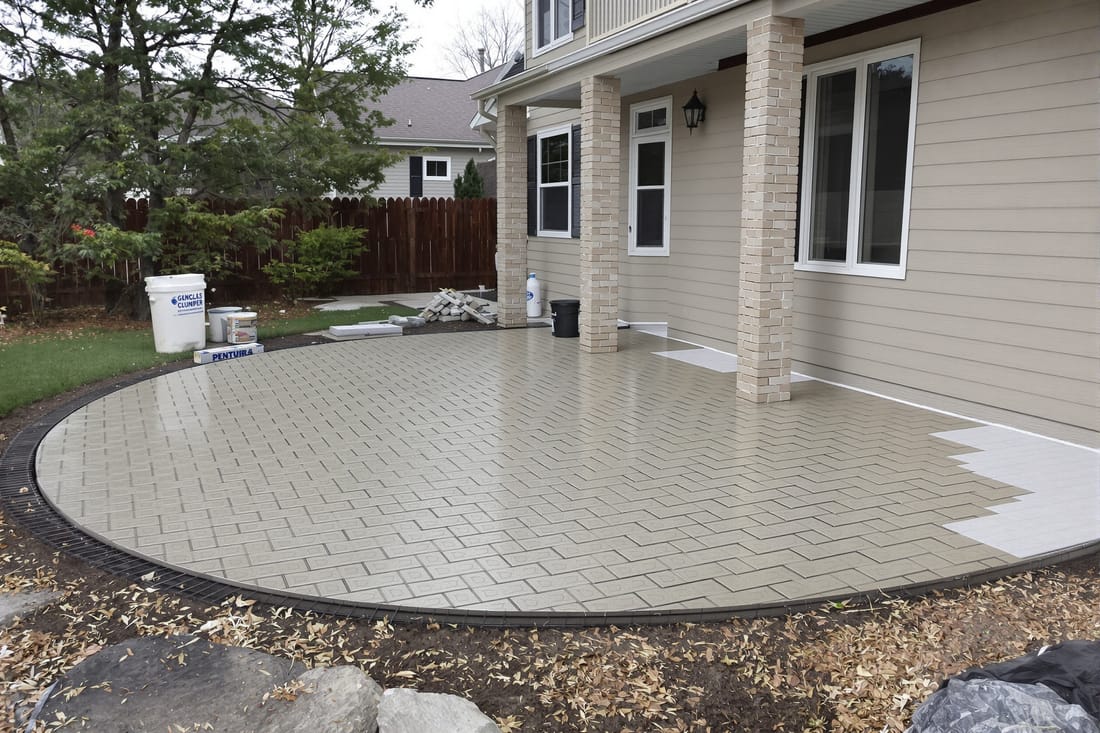
Stamped concrete gives you the look of stone, brick, or pavers with the strength and lower maintenance of a solid concrete slab. In New Orleans, where moisture, shifting soil, and heavy rain are constant, a properly installed stamped surface will usually outperform loose pavers or old brick walkways.
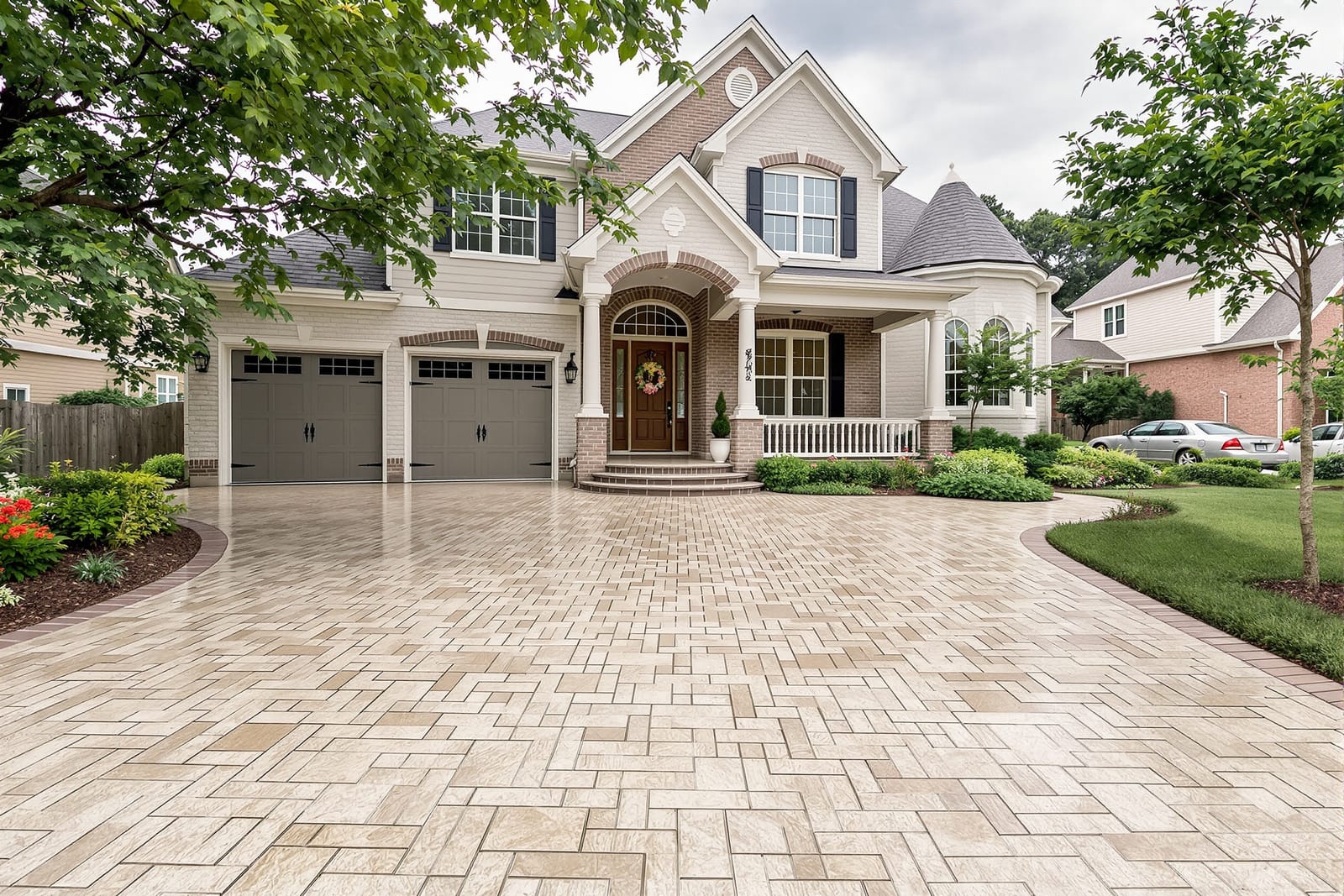
Superior Concrete New Orleans uses stamped concrete on patios, pool decks, walkways, driveways, and outdoor living areas throughout the city and surrounding parishes. Instead of laying individual stones, we place a reinforced concrete slab, color it, then imprint patterns before the surface hardens. You get a decorative finish on top of a single structural pour, which is important in older neighborhoods with mixed soil conditions and limited access for heavy equipment.
If you own a historic-style home in Uptown or a post-war ranch in Gentilly, stamped concrete lets you match the character of brick or flagstone without the trip hazards and weed growth that come with loose units. For commercial properties and rentals, it gives you an upscale look that stands up to constant foot traffic and the occasional delivery truck.
How stamped concrete is installed, step by step
If you have never seen stamped concrete installed, it is more involved than a standard gray slab. Here is how Superior Concrete New Orleans typically handles a stamped project so you know what to expect on your property.
1. Site evaluation and layout: We look at drainage, existing cracks, tree roots, utilities, and access. In New Orleans we pay close attention to low spots and where stormwater naturally flows. We set elevations so water moves away from your house or building, not toward the foundation.
2. Demolition and base prep: For replacement work, we break and remove old concrete or brick. Then we compact the subgrade and add a crushed stone base where needed. In softer areas like Lakeview or parts of New Orleans East, we usually use a thicker base and tighter compaction to reduce future settlement.
3. Forming and reinforcement: We set wood or metal forms to define the shape and slope of the slab. Then we place rebar or welded wire mesh. For driveways or areas that may see vehicle traffic, we use heavier reinforcement and sometimes add dowels into existing slabs to tie everything together.
4. Mixing and pouring: We order a concrete mix suited for local conditions, typically 3000 to 4000 psi, with additives that improve workability in our humid climate. The concrete is poured, leveled, and floated to create a uniform surface, while we continuously check slope for proper drainage.
5. Coloring and stamping: Color usually goes in the mix as an integral pigment, or on top as a color hardener broadcast by hand. A release agent, either colored powder or clear liquid, is applied so the rubber stamps do not stick. We then press large textured mats into the surface in a set pattern, stepping them in a specific sequence so joints line up and there are no obvious repeats.
6. Detailing, cutting, and curing: Once the surface sets enough to walk on, we tool control joints where needed or cut them with a saw. These joints are important in our climate, since temperature swings and soil movement can create random cracking without them. We wash off excess release and allow the slab to cure before final sealing.
Design options that work in New Orleans properties
Stamped concrete is not a one-pattern-fits-all product. Superior Concrete New Orleans helps you choose patterns and colors that make sense for both your property and the New Orleans environment.
Common patterns we install include ashlar slate, cobblestone, running bond brick, and random stone. Around older homes in the Garden District or Bywater, many owners like a subtle slate or cobblestone pattern that complements existing brick or stucco. For newer construction in Algiers or the Westbank, larger stone patterns work well on wide patios and modern pool decks.
Color choices depend on the look you want and how much sun the area gets. In full sun, we usually recommend medium to lighter tones because they stay cooler to the touch than very dark colors. Browns, tans, and charcoal accents are popular because they hide dirt and mildew better than pure gray. For pool decks, we can add a textured finish or use specific patterns to improve slip resistance when wet.
You can also combine borders and insets. For example, a stamped driveway with a contrasting border at the edges and around the garage door, or a patio with a brick-pattern band and a stone-pattern center. We can adjust joint layouts so they line up with existing door thresholds, porch steps, or landscaping, which helps the new work look like it belongs with the rest of the property instead of an obvious add-on.
What affects the cost of stamped concrete in New Orleans
Stamped concrete is more expensive than plain broom-finished concrete, but in most cases it is still less costly and less labor intensive than individual pavers or natural stone. When Superior Concrete New Orleans prices a stamped job, several local factors influence the total.
Size and access: Smaller areas cost more per square foot because the setup time for forms, coloring, and stamping is similar whether the project is 200 or 800 square feet. Tight access along narrow New Orleans side yards may require extra labor to move concrete by wheelbarrow or pump truck.
Pattern complexity: Deep, highly detailed patterns and multi-pattern layouts take more time to stamp correctly and to line up. Borders, custom saw cuts, and inlays add labor. Simple stone or slate patterns without complex borders are usually more budget friendly.
Color system: Integral color added at the ready-mix plant is efficient but has a higher material cost. Color hardener gives a richer surface appearance but takes more on-site labor. Two-tone finishes that use a base color and a contrasting release agent give a more natural look but involve extra steps.
Thickness and reinforcement: For driveways and vehicle areas, we typically pour at least 4 inches thick with heavier rebar or mesh, and sometimes thicker on poor soil. Extra thickness and steel increase cost, but cutting corners here in New Orleans conditions often leads to cracks and movement that are more expensive to fix later.
Existing conditions: Removing thick, reinforced, or badly broken existing concrete, adjusting drainage, or working around large roots adds time and disposal fees. During your estimate, we will point out anything that may raise or lower cost so there are no surprises when we get started.
Common issues with stamped concrete and how we prevent them
Stamped concrete performs well in our climate if it is installed and maintained correctly. When it fails, it is usually because key steps were skipped. Superior Concrete New Orleans designs each project around known local issues so you are less likely to face early repairs.
Cracking: All concrete can crack, especially in a city with high water tables and soft ground. We reduce the risk and visibility of cracks by using a proper base, reinforcement, and well-placed control joints. We also plan joint locations around the pattern so any cracks tend to follow joints rather than cut randomly across the surface.
Surface scaling and flaking: If stamping begins too early or the surface is overworked with water, the top layer can weaken and flake over time. Our crews watch temperature, humidity, and set time closely on pour day and avoid adding extra water to the surface. Quality sealers also protect against surface damage caused by standing water and deicing chemicals transported from vehicles.
Color variation and fading: Because of New Orleans humidity and frequent rain, we schedule sealing during a dry window and make sure the slab has cured properly. This prevents blotchy sealer and trapped moisture. To keep color looking sharp, we typically recommend cleaning and resealing every 2 to 4 years, depending on sun exposure and traffic.
Slipperiness: High-gloss sealers can be slick when wet, especially around pools. For those areas we use sealers that accept a fine grit additive to create traction. If you already have stamped concrete that feels slippery, we can often strip and reseal it with an anti-slip treatment rather than replacing the slab.
What New Orleans homeowners should know before hiring
Stamped concrete is a specialized trade. You are paying for both the concrete work and the decorative finish, so it is important to choose a contractor who understands both. Superior Concrete New Orleans encourages you to ask any installer detailed questions before you sign.
Ask how they handle drainage in heavy storms and where water will go once the slab is in place. In New Orleans this is not a minor detail. A beautiful stamped patio that drains toward your house or neighbor can create long-term problems. We set slopes intentionally and will explain them to you before we pour.
Request to see pattern samples and local jobs that are at least a few years old. Fresh work almost always looks good. Older jobs show how well the installer handled base prep, reinforcement, and sealing. We can point you to projects in different neighborhoods so you can see how colors and patterns age under real conditions.
Clarify the full scope in writing: pattern, color method, thickness, reinforcement, joint spacing, and sealer type. Make sure the proposal covers demolition, haul-off, and any needed grading. A detailed scope protects you from shortcuts on pour day.
Plan for cure and use time. Typically, you can walk on stamped concrete after a couple of days, but we recommend keeping vehicles off new driveways for about a week, depending on weather. For pool decks and shaded areas that stay damp, we may extend that slightly to let the sealer cure hard.
If you are ready to look at options for your property, Superior Concrete New Orleans can meet on-site, discuss patterns and colors that fit your home, and provide a clear, itemized estimate for stamped concrete that is built for our local conditions.